The Most Common Reasons for a Dental Emergency in Aurora
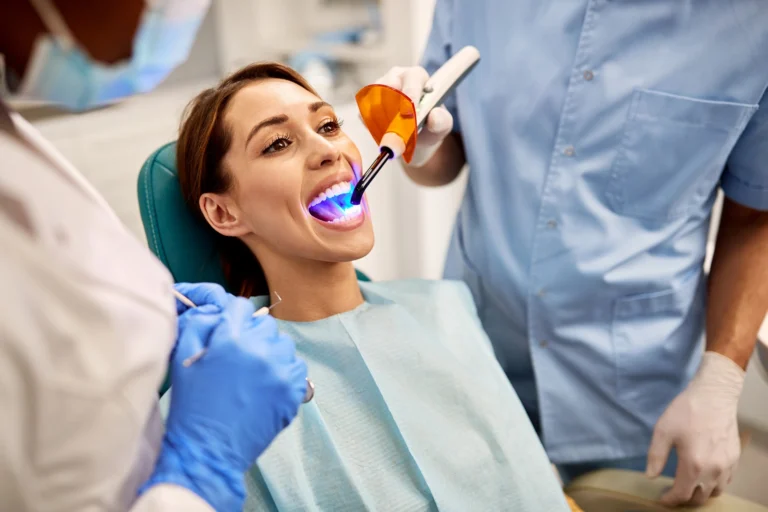
A true dental emergency rarely announces itself at a convenient time. It shows up during a weekend hockey game, halfway through a workday, or late at night when a dull ache suddenly turns sharp and impossible to ignore. In Aurora, the reasons people seek urgent dental care are often familiar, but the circumstances vary more than most expect. Some emergencies involve obvious trauma, like a broken front tooth after a fall. Others build quietly, starting as a minor sensitivity or a small cavity that goes untreated until pain, swelling, or infection forces immediate action.
When people search for help with a Dental Emergency Aurora concern, they are usually not looking for theory. They want to know what went wrong, how serious it is, and whether the problem could have been prevented. Those are fair questions. In day-to-day practice, the most common emergencies tend to come from a small group of causes: untreated decay, cracked or broken teeth, infections, gum problems, failed dental work, and injuries related to sports, weather conditions, or simple accidents. The details matter, because the same symptom can point to very different levels of urgency.
Toothaches that have gone past the warning stage
The most common reason people call for urgent dental care is still the classic toothache. That sounds simple, but tooth pain is not one condition. It is a signal, and it can mean anything from a lost filling to deep infection. In many cases, the emergency begins weeks or months earlier with something easy to dismiss, cold sensitivity, food catching between teeth, or mild discomfort when chewing. Once pain becomes spontaneous, throbbing, or strong enough to interrupt sleep, the problem has usually advanced.
Untreated tooth decay is a major driver. A cavity starts in the outer enamel, where there may be no pain at all. As it moves into dentin, sensitivity becomes more noticeable. If bacteria reach the pulp, where the nerve and blood supply live, the pain often changes character. It may come in waves, worsen with heat, or linger long after eating or drinking. At that stage, people often describe the pain as deep, pulsing, or impossible to localize.
Aurora families are busy, and routine dental visits sometimes get pushed aside when work schedules, commuting, school activities, and seasonal demands pile up. That is understandable, but teeth rarely pause while life gets crowded. A small cavity in the spring can become an abscess by late fall. What could have been handled with a filling may then require root canal treatment, a crown, or extraction.
There is another pattern that shows up often in urgent care: patients who have been managing pain with over-the-counter medication for several days, hoping it will settle down on its own. Painkillers can reduce symptoms, but they do not stop decay or infection. If the pain returns the moment medication wears off, that is a strong sign the underlying problem still needs prompt treatment.
Infections and abscesses, when delay becomes risky
Not every dental emergency is dangerous, but infection deserves respect. A dental abscess is more than a painful tooth. It is a bacterial infection, often linked to a dead aspenwooddental.com Dental Emergency Aurora or dying pulp, severe decay, gum disease, or a deep crack that allows bacteria into the tooth. The pressure from infection can create intense pain, and if the abscess drains, people sometimes notice a bad taste, swelling, or sudden relief followed by recurrence.
Facial swelling is one of the clearest signs that a routine problem may have crossed into emergency territory. Swelling in the gums near one tooth may remain localized. Swelling that extends into the cheek, jawline, or under the eye can progress quickly. If it is paired with fever, difficulty swallowing, trouble opening the mouth, or a general feeling of illness, same-day care is the right move. In more serious cases, especially when swelling affects breathing or swallowing, emergency medical attention becomes necessary.
Winter can add a practical challenge in Aurora. Cold weather does not cause infection, but it can intensify the discomfort of already inflamed teeth. People who are trying to get through a few days before seeking care often find that sharp cold air makes the pain impossible to ignore. That is one reason dental offices tend to hear from patients who say the problem had been bothering them for a while, then suddenly got much worse.
An abscess is also one of the best examples of why home remedies have limits. Warm salt water rinses may soothe irritated tissue. Cold compresses may help with swelling. None of that substitutes for drainage, antibiotics when indicated, or definitive treatment of the tooth itself. If the source is not treated, the infection often returns.
Cracked teeth, broken teeth, and the hidden damage beneath the surface
A chipped tooth can look minor and still be urgent. One person breaks off a tiny corner of enamel and has no pain at all. Another develops a vertical crack that barely shows on the surface but sends a sharp jolt every time they bite. The difference is not cosmetic. It is structural.
Cracks and fractures are common dental emergencies because teeth absorb a remarkable amount of force, then eventually reach a breaking point. That force may come from trauma, chewing hard foods, clenching and grinding, or large old fillings that weaken the remaining tooth. It is not unusual to hear that the tooth broke while eating something ordinary, toast, pasta, or a sandwich, because the actual damage had been building long before the final bite.
Molars are frequent trouble spots. They take heavy chewing loads, and many have already been restored at least once by adulthood. A tooth with a large filling is not necessarily doomed, but it is more vulnerable than an intact tooth. Repeated expansion and contraction from hot and cold foods, years of pressure, and microscopic cracks can all add up.
Front teeth bring a different kind of emergency. A broken incisor after a fall, collision, or sports impact often has an emotional element as well as a functional one. People notice changes in speech, sensitivity, and appearance immediately. Timing matters here. If a fragment is available and kept moist, a dentist may sometimes be able to bond it back depending on the type of fracture. If the break exposes dentin or pulp, the tooth is at higher risk for pain and infection.
One of the most important judgment calls in urgent dentistry is figuring out whether a crack is shallow, deep, or extending below the gum line. That distinction affects whether the tooth can be restored with bonding or a crown, whether root canal treatment is needed, or whether the tooth is no longer salvageable. From the patient’s perspective, that is why a crack should not be written off just because the tooth still looks mostly intact.
Knocked-out teeth and other trauma that need immediate action
Traumatic injuries are among the most time-sensitive dental emergencies. A tooth that has been completely knocked out has the best chance of being saved when it is replanted quickly. Minutes matter. The tooth should be handled by the crown, not the root, and if it is dirty, it should be rinsed gently without scrubbing. Ideally, it is placed back in the socket if possible, or kept in milk or saliva while the patient heads to a dentist immediately.
This type of injury is common in children, teens, and active adults, especially during sports or outdoor activity. Hockey, basketball, skateboarding, cycling, and winter slips on icy walkways all show up in emergency cases. Aurora residents know how quickly a parking lot, front step, or trail can turn slick after a freeze-thaw cycle. One awkward fall can lead to a chipped tooth, displaced tooth, lip laceration, or jaw injury.
Even when a tooth is not knocked out, trauma can injure its nerve. A tooth may look fine the day of the accident, then darken or become painful weeks later because the pulp was damaged. That is why post-injury follow-up matters. It is easy to focus on the visible chip and miss the less obvious consequences.
The urgency after trauma usually falls into a few clear categories:
- A knocked-out permanent tooth requires immediate attention.
- A tooth pushed out of position, loosened, or suddenly unable to meet the bite properly should be examined as soon as possible.
- Uncontrolled bleeding, significant swelling, or suspected jaw fracture calls for emergency assessment.
- A broken tooth with severe pain or visible pink or red tissue in the center should not wait.
- Any injury involving a child’s mouth should be checked carefully, because baby teeth and developing permanent teeth can be affected differently.
One practical point matters here. Baby teeth are not managed exactly like adult teeth. Parents sometimes hear that a permanent tooth should be put back in place, then assume the same should be done with a knocked-out baby tooth. It should not. Replanting a baby tooth can harm the developing permanent tooth underneath. That is an example of how well-meaning first aid can go wrong without the right guidance.
Lost fillings, broken crowns, and failed dental work
Not every emergency starts with a natural tooth. Existing dental work can fail, and when it does, the situation can turn urgent quickly. A lost filling may expose sensitive dentin and create sharp pain with cold or sweets. A crown that comes loose can leave a heavily restored tooth unprotected and prone to fracture. A bridge may shift, making it hard to chew. Dentures can crack at the worst possible moment, particularly before travel or family events, though that is usually urgent rather than medically emergent unless it causes injury or prevents eating.
Older restorations are especially vulnerable. Materials wear over time, cement weakens, and recurrent decay can form around the margins. A patient may say, “The crown was fine for years, then it suddenly fell off.” Often the change was not sudden at all. Cement can wash out slowly. The tooth underneath may decay quietly. By the time the crown loosens, the supporting structure has already changed.
There is also a common scenario involving temporary crowns or temporary fillings. These are not designed to last long term, yet people sometimes postpone the follow-up visit because the tooth feels better. That delay can lead to sensitivity, leakage, movement of neighboring teeth, or failure of the final restoration to fit properly.
A lost filling on a front tooth may feel urgent for appearance alone, while a lost filling on a back tooth may become an emergency because the exposed area catches the bite or sends pain through the jaw with every meal. In both cases, quick attention helps prevent a small repair from becoming a larger reconstruction.
Gum-related emergencies people do not always recognize
Many people think of emergencies as tooth problems, but gum issues can become urgent too. A gum abscess, sudden localized swelling, bleeding that does not stop, or severe pain around a partially erupted wisdom tooth can all require prompt care.
Pericoronitis is a good example. This occurs when gum tissue around a partially erupted tooth, often a lower wisdom tooth, becomes inflamed or infected. Food and bacteria collect under the flap of gum, creating pain, swelling, bad taste, and difficulty chewing. Sometimes people first notice that they cannot fully open their mouth. It can escalate quickly, especially if the area is repeatedly irritated.
Advanced gum disease can also produce emergency visits. A patient may suddenly notice a tooth feels loose, gums are swollen, or there is pain while biting even though there is no obvious cavity. Deep pockets around the tooth can trap bacteria and form an acute periodontal abscess. These cases often surprise patients because the pain seems to come “out of nowhere,” but the underlying gum disease has usually been present for some time.
Bleeding deserves nuance. Mild bleeding after flossing inflamed gums is common and not usually an emergency. Bleeding that continues after an extraction, follows trauma, or soaks gauze repeatedly despite pressure is a different matter. Patients taking blood thinners need especially clear instructions after dental procedures, because what looks modest at first can persist longer than expected.
Habits and lifestyle factors behind many urgent visits
Not every dental emergency is bad luck. Quite a few trace back to daily habits that quietly stress the teeth and gums. Night grinding is a frequent culprit. It can cause fractures, flattened chewing surfaces, jaw soreness, and even repeated failure of fillings or crowns. People often do not realize they grind until a partner mentions the sound or a dentist spots the wear.
Diet plays a role too. Frequent snacking, sports drinks, acidic beverages, and sipping sweet coffee throughout the day can create a perfect environment for decay, even in people who brush regularly. The issue is not just sugar amount. It is exposure frequency. Teeth under constant acid attack do not get much time to recover.
There is also a practical side to oral hygiene that shows up in emergency care. Skipping flossing for a few days will not trigger a crisis, but months or years of inconsistent plaque removal can lead to decay between teeth and chronic gum inflammation. Those problems tend to stay quiet until they suddenly do not.
One pattern that deserves mention is using teeth as tools. Opening packaging with incisors, biting fingernails, chewing ice, or cracking hard candies causes more fractures than people think. The tooth often fails at the weakest point, and unfortunately that weak point is sometimes an old restoration or a previously root-treated tooth.
What people should do before they get to the dentist
The time between the onset of a dental emergency and professional care matters. Calm, practical steps can reduce pain and improve outcomes.
For most situations, a few measures help:
- Rinse gently with warm water to clear debris and keep the area clean.
- Use a cold compress on the outside of the face for swelling, usually in short intervals.
- Take over-the-counter pain relief as directed, unless a physician has told you to avoid it.
- If a tooth is broken or a restoration comes out, save any pieces and bring them to the appointment.
- If a permanent tooth is knocked out, keep it moist and seek immediate care.
There are also things not to do. Do not place aspirin directly on the gum, because it can burn the tissue. Do not ignore swelling that is spreading. Do not keep chewing on a cracked tooth to “test” whether it is getting better. And do not wait several days on the assumption that antibiotics alone will solve the problem. They may reduce symptoms temporarily, but the source often remains.
Why prevention still matters, even in a discussion about emergencies
Some dental emergencies cannot be predicted or prevented. Falls happen. Sports injuries happen. A tooth with an old large filling may crack despite reasonable care. Still, a large share of urgent visits stem from conditions that gave early warning signs.
Routine exams catch cavities before they reach the nerve. X-rays can reveal decay between teeth that is invisible in the mirror. Custom night guards protect teeth from grinding forces that slowly split them. Athletic mouthguards lower the odds of traumatic injury substantially, especially in contact sports and high-speed activities. Even something as basic as replacing a worn filling before it fails can save a patient from a weekend crisis.
For families in Aurora, season and schedule both shape dental risk. School sports increase trauma exposure. Holiday sweets and disrupted routines can aggravate decay risk. Winter ice raises the chance of falls. Summer travel often means people delay appointments until a problem becomes too painful to postpone. Seen over time, emergency dentistry is not random. It follows patterns.
That is useful, because patterns can be interrupted. If a tooth is starting to complain with cold drinks, if a crown feels slightly loose, if the gums around a wisdom tooth are swelling off and on, those are opportunities to act before the issue becomes urgent. The goal is not to avoid every dental surprise. No one can promise that. The goal is to reduce the number of situations where pain, infection, or trauma catches you unprepared.
A Dental Emergency Aurora search usually starts with urgency and discomfort. What patients often discover after treatment is that the emergency was only the final chapter of a longer story. Sometimes that story began with decay, sometimes with stress on an old restoration, sometimes with a split-second injury on a slippery day. Understanding the most common causes helps people respond faster, ask better questions, and take earlier warning signs seriously. In dentistry, timing changes outcomes more often than people realize.
Aspenwood Dental Associates and Colorado Dental Implant Center
2900 S Peoria St Ste C, Aurora, CO 80014, United States
+1 303-731-4037
FAQ About Dental Emergency Aurora
What qualifies as a dental emergency?
A dental emergency is any oral injury or condition that involves severe pain, uncontrolled bleeding, or a potential infection that puts a tooth or your overall health at risk.
Can the ER do anything for a tooth?
AI Overview An emergency room (ER) cannot fix or pull a tooth, perform root canals, or provide long-term dental care, because most ERs do not have dentists on staff.
What is the 3-3-3 rule for tooth infection?
The 3-3-3 rule for a tooth infection or severe toothache is a short-term over-the-counter pain management strategy. It involves taking 600 mg of ibuprofen (typically three 200 mg tablets) 3 times a day for no more than 3 days.