General Dentistry and Why It Matters More Than You Think
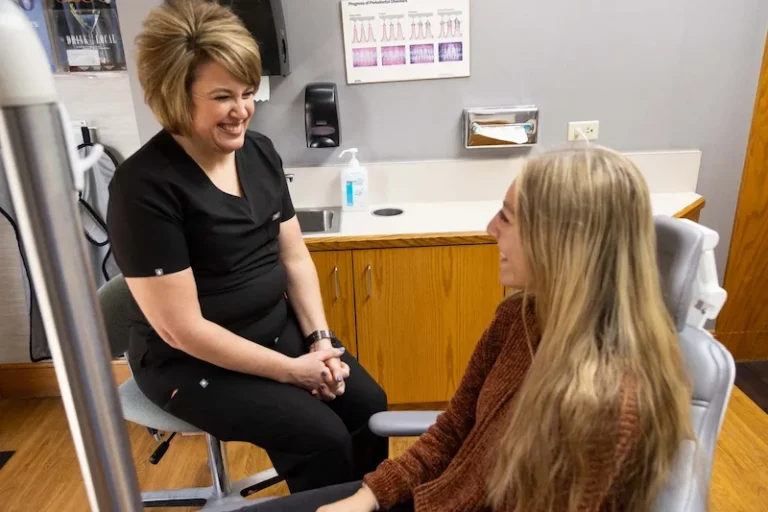

Most people do not spend much time thinking about general dentistry unless something hurts. That is understandable. Teeth are easy to ignore when they feel fine, and routine dental visits rarely carry the drama of a medical emergency. Yet in day-to-day practice, the quiet work of general dentistry often has the biggest impact on long-term health, comfort, confidence, and cost.
General dentistry sits at the center of oral healthcare. It is the branch of dentistry that handles prevention, diagnosis, routine treatment, and ongoing maintenance for patients of nearly every age. When people hear the phrase, they sometimes picture little more than cleanings and the occasional filling. The reality is broader and more important. General dentists are usually the first professionals to spot gum disease, early cavities, cracked teeth, bite problems, chronic inflammation, dry mouth, oral infections, and even suspicious tissue changes that need further evaluation.
That matters because mouths do not fail all at once. Problems build quietly. A weak spot in enamel becomes a cavity. Mild gum irritation becomes periodontal disease. A small chip becomes a fracture that reaches the nerve. By the time pain shows up, the issue is often larger, more expensive, and harder to treat.
The real job of a general dentist
A good general dentist does far more than fix what is broken. The job involves pattern recognition, preventive planning, patient education, restorative work, and clinical judgment that changes from person to person. Two patients can have the same apparent issue and need completely different care. One may need a small filling and better flossing habits. Another may need bite adjustment, a night guard, and close monitoring because the filling failed for a reason.
That is one reason general dentistry remains so valuable. It connects isolated symptoms to the bigger picture. If a patient keeps breaking molars, the problem might not be weak teeth alone. It could be nighttime grinding, acid erosion, an uneven bite, or old restorations that have reached the end of their lifespan. Treating the immediate damage without addressing the cause usually leads to repeat problems.
In many communities, a general dental office is also where families build continuity of care. Children, parents, and older adults may all be seen under one roof, each with different needs. Over time, that continuity becomes useful. A dentist who has followed a patient for https://cashcwwz933.scriblorax.com/posts/general-dentistry-for-strong-smiles-and-better-wellness years can often spot subtle changes quickly, because there is a baseline for comparison.
Prevention is less dramatic, and far more powerful
The most valuable dental work often looks uneventful from the outside. A routine exam, a set of x-rays taken at the right interval, a conversation about bleeding gums, a fluoride recommendation, or a change in home care technique can prevent years of trouble.
Consider a common scenario. A patient comes in with no pain, no visible cavity, and no major complaint. During the exam, the dentist notices early demineralization around the gumline, a little plaque trapped behind a lower front retainer, and signs of dry mouth related to medication. None of this feels urgent to the patient. Left alone for a year or two, however, those findings can turn into cervical cavities, gum recession, sensitivity, and repeated restorative work in a difficult area of the mouth.
General dentistry works best when it catches that stage, not the later one.
This preventive side also matters financially. A small filling is cheaper and simpler than a crown. A crown is usually cheaper and simpler than root canal treatment plus a crown. Saving a tooth with complex treatment is often better than losing it, but avoiding that chain altogether is better still. People sometimes postpone routine care to save money, then end up with a much larger bill when a small issue becomes a major one. Dentists see that pattern constantly.
Oral health affects more than your smile
There is a tendency to separate dental health from overall health, as if the mouth were a cosmetic side issue rather than part of the body. Clinically, that separation does not hold up. Inflammation in the gums, bacterial load, chewing ability, sleep quality, pain, infection, and nutrition all intersect with broader well-being.
A person with sore teeth may stop eating crunchy fruits and vegetables because chewing is uncomfortable. Someone with missing molars may favor soft, processed foods. A patient with chronic dental pain may sleep poorly, clench more, and struggle to concentrate at work. An older adult with a dry mouth may see a sudden rise in cavities because saliva, one of the mouth’s natural defenses, has been reduced by medication. None of these issues are merely cosmetic.
General dentists are often the clinicians who notice these changes first. They may be the ones to ask why decay has accelerated, why gums are inflamed despite decent brushing, or why the tongue and oral tissues look unusually dry. Sometimes the answer is simple. Sometimes it points to smoking, reflux, diabetes, stress, medication effects, or inconsistent hygiene. The dental visit can become an early checkpoint for concerns that would otherwise keep developing unnoticed.
Why regular exams matter even when nothing hurts
Pain is a poor screening tool. Many dental problems do not hurt at first, and some do not hurt until the damage is advanced. Early decay can be painless. Gum disease often progresses quietly. Cracks can be intermittent and easy to dismiss. Old fillings can leak without obvious symptoms. Wisdom teeth can create pressure or cleaning challenges before they cause severe discomfort.
This is where routine exams earn their value. A dentist can compare current findings with prior records, assess gum measurements, test suspicious teeth, review x-rays, and look at areas you cannot easily see yourself. Even experienced, conscientious brushers miss things. The back side of lower molars, the margins around old crowns, and the spaces where food routinely packs are common trouble spots.
Patients are often surprised by what gets found during a seemingly ordinary checkup. A tiny cavity between teeth. A filling with a hidden fracture line. Gum recession caused by overbrushing. Wear facets that show a patient is clenching hard at night, even if they never realized it. These are not dramatic discoveries, but they are precisely the kind that prevent more invasive treatment later.
The small habits that shape the big outcomes
People often assume dental health is mostly inherited, that some individuals are simply blessed with strong teeth while others are destined for constant problems. Genetics do matter. So do enamel quality, saliva composition, jaw shape, bite patterns, and medical conditions. But daily habits still carry enormous weight.
Frequency matters more than many people realize. Sipping sweet coffee all morning can be harder on teeth than drinking it once with a meal. Snacking constantly gives oral bacteria repeated fuel. Mouth breathing can dry tissues and raise risk. Aggressive brushing can wear away enamel and irritate gums, even in patients who are trying hard to do the right thing.
The practical advice in general dentistry is often plain, but it works. Brush thoroughly with a soft-bristled brush. Clean between teeth every day. Do not assume mouthwash can replace mechanical cleaning. Pay attention to bleeding gums rather than treating them as normal. If a dentist recommends a night guard, ask why, because repeated grinding can destroy healthy tooth structure over time.
For many patients, the biggest breakthrough is not learning a new fact. It is finally understanding cause and effect. Once someone sees that a pattern of skipped cleanings, sugary drinks, or untreated clenching keeps leading to the same repairs, motivation tends to change.
General dentistry for children sets the tone early
One of the most important roles in General Dentistry is helping children build a healthy relationship with oral care. That means much more than checking for cavities. Early dental visits shape expectations. A calm, friendly experience can teach a child that dental care is routine and manageable, not something to fear until pain forces the issue.
Children’s mouths change quickly. Teeth erupt in sequence, spacing evolves, habits like thumb sucking can influence bite development, and brushing skill takes time to mature. Parents often need practical guidance, not judgment. How much toothpaste is appropriate at different ages? When should flossing start? Is the child grinding at night? Are sealants worth considering? Is a snack pattern contributing to early decay?
The answers depend on the child, but the principle is consistent: early monitoring makes life easier. A dentist who sees a child regularly can catch concerns before they become larger orthopedic or restorative issues later on.
Adults often ignore warning signs they should not
Adults are busy, and dental care is easy to postpone. That is especially true when symptoms feel minor. A little sensitivity to cold. Occasional bleeding while flossing. A filling that catches slightly on food. A jaw that feels tight in the morning. Patients explain these things away for months or years.
From a clinical standpoint, those details matter. Sensitivity can signal recession, a cavity, a crack, or enamel wear. Bleeding gums are not usually random. A rough edge can mean a filling is failing or a tooth has chipped. Morning jaw tightness often points to clenching or grinding. None of these automatically mean a major problem, but they deserve attention before they escalate.
A general dentist’s office is where these everyday concerns get sorted. Sometimes the fix is simple, such as polishing a rough area, improving home care, or applying fluoride to a sensitive root surface. Sometimes it is more involved. The point is that routine access to General Dentistry gives patients a place to address problems while they are still manageable.
Older adults face a different set of challenges
As patients age, dental care often becomes more complex, not less. Existing crowns and fillings wear out. Recession exposes root surfaces that decay more easily. Arthritis can make brushing and flossing harder. Medications may reduce saliva. Medical conditions can complicate healing or make meticulous infection control more important.
An older patient may technically brush twice a day and still develop new cavities because the risk profile has changed. Saliva is not what it once was. Dexterity is reduced. Partial dentures or bridges create more surfaces to clean. The issue is not laziness. It is adaptation.
Good general dentistry adjusts to that reality. Sometimes the solution is a prescription-strength fluoride toothpaste. Sometimes it is changing the handle or shape of a toothbrush. Sometimes it is more frequent maintenance visits, because three-minute conversations in the operatory can prevent a cascade of avoidable treatment.
What a strong general dental practice actually provides
People often compare dental offices mainly on convenience or whether the cleaning felt comfortable. Those things matter, but they are not the whole story. A strong general dental practice combines technical skill with communication and consistency. Patients should understand what was found, why it matters, what can wait, and what should be treated soon.
The basics should be reliable:
- Thorough exams that look beyond the obvious complaint
- Clear x-ray and treatment recommendations based on risk, not sales pressure
- Preventive guidance tailored to the patient’s age, habits, and medical history
- Restorative care that aims to preserve tooth structure where possible
- Follow-up that helps patients maintain results rather than repeat failures
When these pieces are in place, dentistry feels less reactive. Patients stop bouncing from emergency to emergency and start building stability.
The hidden value of trust and continuity
Dentistry works better when trust is established. Patients who feel rushed or judged tend to avoid visits, downplay symptoms, or postpone care. Patients who trust their dentist are more likely to ask honest questions, mention small changes, and follow through on treatment that protects them long term.
Continuity also sharpens diagnosis. If a patient says, "This tooth feels different than it did six months ago," that comment has more weight when the dentist knows the history of that tooth, its old x-rays, and the pattern of prior wear or repair. The same applies to gum health, cosmetic concerns, and bite changes.
This is one reason local practices often play such an important role in communities. Someone searching for General Dentistry Aurora, for example, may begin by looking for convenience and insurance compatibility. What often keeps them with a practice is something less visible: the sense that the dentist notices details, explains trade-offs honestly, and helps them make decisions without pressure.
Not every problem needs the biggest treatment
One of the strengths of experienced general dentists is restraint. Patients sometimes expect that every imperfection needs immediate correction, while others hope everything can be postponed indefinitely. Good care lives between those extremes.
A tiny area of watchable enamel change may not need a filling yet. A worn tooth may need monitoring before major reconstruction. A borderline wisdom tooth may not require removal if it is healthy, cleanable, and symptom-free. On the other hand, a crack that looks minor to the patient may need prompt treatment because the risk of catastrophic fracture is high.
Judgment matters here. Dentistry is rarely just about what can be done. It is about what should be done now, what can safely wait, and what approach offers the best long-term odds. That is the daily craft of general dentistry, and it is one reason this field deserves more respect than it often gets.
When people realize its value
Many patients do not fully appreciate general dentistry until they have gone without it. They miss regular visits for a few years, often for understandable reasons such as finances, relocation, caregiving, or anxiety. Then they return and discover multiple areas of decay, inflamed gums, worn edges, or a crown that failed slowly without pain. At that point, the lesson is painfully clear: neglect tends to compound.
The opposite pattern is less dramatic but far more rewarding. A patient keeps consistent appointments, addresses small issues early, and adapts home care when life changes. Over ten or fifteen years, they save money, preserve more natural tooth structure, avoid emergencies, and age with a healthier mouth. That outcome is not luck. It is usually the result of ordinary, repeatable care.
Why it matters more than most people think
General dentistry matters because it protects function before function is lost. It catches disease before disease becomes obvious. It preserves natural teeth longer. It reduces emergency treatment, supports nutrition, limits pain, and gives people a realistic path to maintain their oral health over time.
It also matters because the mouth is deeply tied to daily life. Eating, speaking, sleeping, smiling, social confidence, and physical comfort all run through it. When oral health declines, the effects spread outward. When it is stable, people tend not to think about it at all, which is often the best outcome.
That quiet success is the hallmark of good General Dentistry. No drama, no crisis, no scrambling to fix what should have been found earlier. Just careful prevention, timely treatment, and practical guidance that keeps small problems from turning into expensive ones.
If there is a misconception worth correcting, it is this: routine dental care is not minor care. It is foundational care. And for many people, especially those trying to protect both their health and their budget, it may be some of the most important healthcare they receive on a regular basis.
Aspenwood Dental Associates and Colorado Dental Implant Center
Address: 2900 S Peoria St Ste C, Aurora, CO 80014
Phone number: +13037314037
FAQ About General Dentistry Aurora
What is meant by general dentistry?
General dentistry refers to the primary, foundational tier of oral healthcare, focused on the prevention, diagnosis, and treatment of conditions affecting the teeth, gums, and jaw. General dentists serve as a patient's main, long-term dental care provider—much like a primary care physician.
What is general dentistry and orthodontics?
General dentistry and orthodontics are two specialized branches of dental care. General dentistry serves as your primary care for overall oral health, focusing on routine cleanings, fillings, and disease prevention. Orthodontics is a specialized field focused entirely on diagnosing and correcting misaligned teeth and jaw structures using braces or clear aligners.
What are type 3 dental services?
Type 3 dental services typically include major restorative treatments that repair or replace damaged or missing teeth. These services are more complex and costly than preventive or basic dental care. Common examples of type 3 dental services include: Dental crowns.