Dental Emergency Aurora: What to Do Before You Reach the Clinic
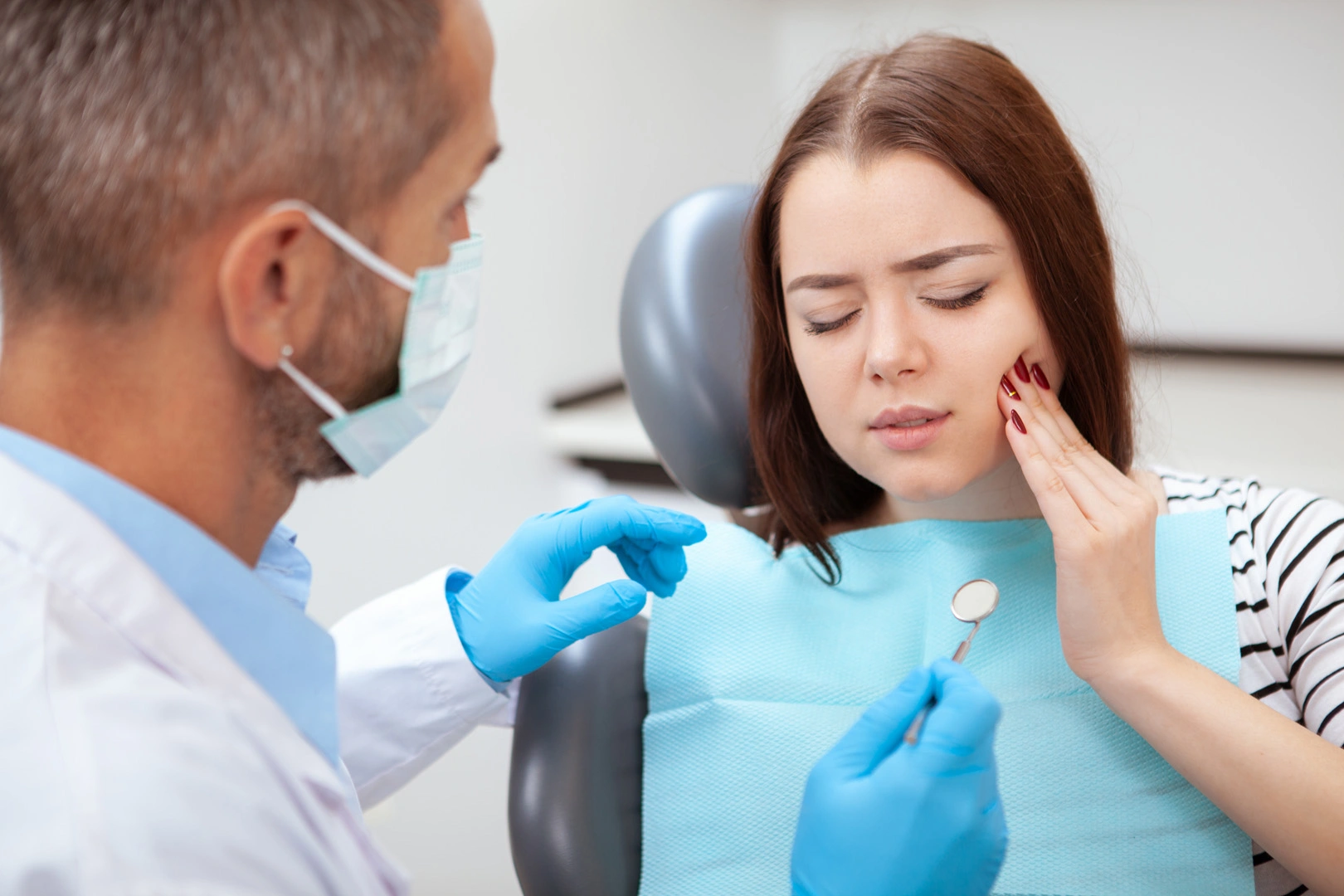


A true dental emergency has a way of shrinking your world down to one tooth, one sharp pain, one mouthful of blood, or one sudden accident that changes the next few hours. Even calm, practical people can panic when a crown falls off during dinner, a child chips a front tooth on the ice, or a swelling starts spreading along the jawline before bed. In those moments, what you do in the first fifteen to sixty minutes matters more than most people realize.
I have seen the same pattern many times. Patients arrive frightened, apologizing for not knowing what to do, and often the biggest difference between a straightforward repair and a more complicated problem comes down to the care they took before they got to the clinic. Sometimes that means controlling bleeding properly. Sometimes it means finding a knocked out tooth and handling it the right way. Sometimes it means recognizing that a toothache is not just a toothache, especially when swelling, fever, or trouble swallowing enters the picture.
If you are dealing with a Dental Emergency Aurora situation, the goal before you reach the clinic is simple: protect the tooth if possible, reduce pain and swelling safely, and avoid the common mistakes that make treatment harder.
When it is truly an emergency
Not every dental problem needs same-day treatment, but some absolutely do. A bit of sensitivity when you drink cold water can usually wait. A lost filling without pain may be urgent, but not necessarily emergent. By contrast, uncontrolled bleeding, facial swelling, trauma, or a knocked out permanent tooth deserves immediate attention.
The situations that most often need urgent dental care include severe tooth pain that does not ease, a broken or cracked tooth with exposed inner structure, a permanent tooth that has been knocked out, a tooth pushed out of position, swelling in the gums or face, signs of infection, heavy bleeding after an injury, and trauma involving the lips, tongue, cheeks, or jaw. In children, there is an extra layer of judgment because baby teeth and permanent teeth require different handling, and parents are often forced to make decisions quickly.
One detail worth stressing is that dental emergencies can sometimes become medical emergencies. If there is difficulty breathing, difficulty swallowing, rapidly worsening facial swelling, confusion, or significant trauma to the head or jaw, emergency medical care may take priority over the dental office. That distinction matters. Dentists manage many urgent problems, but airway issues, deep spreading infections, and major facial trauma belong in an emergency department.
The first five minutes matter most
The first thing to do is pause long enough to figure out what actually happened. Was there an impact? Is a tooth missing, loose, cracked, or simply painful? Is blood coming from the gums, the tongue, or the lip? Is the person dizzy? These questions sound obvious, but pain can blur the scene.
Once you have a sense of the problem, keep the next steps focused and calm:
- Call a dental clinic immediately and describe the problem clearly, including pain level, swelling, bleeding, and whether a tooth has come out or shifted.
- Rinse the mouth gently with lukewarm water so you can see the area better, but do not scrub or probe the injury.
- Control bleeding with clean gauze or a clean cloth using steady pressure for ten to fifteen minutes.
- Use a cold compress on the outside of the cheek in short intervals to reduce swelling and discomfort.
- Protect any broken tooth piece, crown, or knocked out permanent tooth and bring it with you.
This is where people often go wrong. They swish aggressively with mouthwash, keep checking the area every thirty seconds, or take a sharp piece of tooth and rub it clean under hot water. Those habits are understandable, but not helpful.
If a tooth gets knocked out
A knocked out permanent tooth is one of the few situations in dentistry where minutes really count. The best outcomes usually happen when the tooth is reimplanted quickly, ideally within thirty minutes, though useful treatment may still be possible later depending on how the tooth was stored and the nature of the injury.
Pick the tooth up only by the crown, which is the part you normally see in the mouth. Do not touch the root. If the tooth is dirty, rinse it very gently with saline or milk, or under a light stream of clean water for just a few seconds. Do not scrub it, dry it out, wrap it in tissue, or store it loose in a pocket or bag.
If the person is alert and able, the ideal move is often to place the tooth back in the socket right away and have them bite gently on gauze to hold it in place. That advice surprises many people, but it can make a substantial difference. If replacing it is not possible, store the tooth in milk or a tooth preservation solution if one is available. Saliva can be a backup option in some cases, such as inside the cheek of an older, cooperative patient, but that carries some risk of swallowing and is not appropriate for young children.
A baby tooth is different. Do not try to put a knocked out baby tooth back into the socket. That can injure the developing permanent tooth underneath. Children still need prompt evaluation, but the response is not the same.
Broken, cracked, or chipped teeth
A chipped tooth can range from cosmetic annoyance to urgent structural problem. A tiny edge fracture without pain often allows a bit of time. A larger break, especially one with sensitivity to air or temperature, may mean the inner dentin or pulp is exposed. That is when pain tends to spike and the tooth becomes more vulnerable.
Rinse gently and look for any pieces. Dental Emergency Aurora If you find them, bring them to the appointment. Sometimes a fragment can help with repair planning, and in select cases it may even be bonded back. If there is swelling or soft tissue injury, use a cold compress on the cheek. If the broken edge is sharp and scraping the tongue or cheek, a small amount of dental wax from a pharmacy can help, though clean sugar free chewing gum can serve as a temporary barrier in a pinch.
The hidden issue with cracked teeth is that the visible damage does not always match the internal damage. I have seen teeth with what looked like a modest corner fracture turn out to have deeper cracks extending below the gumline. I have also seen patients delay care because the pain was intermittent, only to wake up two days later with a badly inflamed pulp. Intermittent pain after a crack is not reassuring. It often means the tooth is reacting to pressure changes or temperature in a way that deserves quick assessment.
Severe toothache is often a sign, not the problem itself
A toothache can come from decay, a dying nerve, a cracked tooth, gum infection, grinding, food packed between teeth, an abscess, or even pain referred from sinus pressure. What matters before the clinic visit is not diagnosing it perfectly, but managing it safely.
Rinse gently with warm salt water if it feels soothing. Floss carefully around the area if you suspect trapped food, but do not snap the floss hard into swollen gums. If the cheek is swollen, use a cold compress outside the mouth, not heat. Heat often feels comforting in the moment, but with an active infection it can increase blood flow and make swelling worse.
Over the counter pain medication can help, assuming you can take it safely based on your age, medical history, allergies, and other medications. Ibuprofen is often useful because it reduces inflammation as well as pain, though it is not appropriate for everyone, including some people with kidney disease, ulcers, certain bleeding risks, or pregnancy-related restrictions. Acetaminophen is another option for many adults. The clinic may guide you over the phone, but it is always smart to follow labeled dosing and avoid improvising.
One old household remedy deserves to disappear for good: placing aspirin directly on the gum or tooth. It does not treat the source of pain, and it can chemically burn the soft tissue. I still see those burns from time to time, and they add one more problem to manage.
Swelling, infection, and red flags you should not ignore
Dental infections vary widely. Some remain localized near the tooth or gum. Others spread into the surrounding tissues and become far more serious. A small pimple on the gum may indicate a draining infection that has been present for longer than the patient realized. A rapidly enlarging swelling under the jaw can become dangerous much faster.
You should seek immediate help if swelling is increasing over hours, if there is fever, if the face looks visibly distorted, if there is a bad taste or pus drainage, or if opening the mouth becomes difficult. Trouble swallowing, muffled voice, or any breathing difficulty moves the problem into emergency medical territory.
One practical point about antibiotics: people often assume they are the main treatment for dental infections. They can be part of treatment in some cases, but they are not a substitute for addressing the source. If the source is an infected tooth, the tooth usually needs definitive care such as drainage, root canal treatment, or extraction. Pain may temporarily soften with antibiotics, then return once the medication stops if the source remains.
What to do after a filling, crown, or bridge comes loose
Lost restorations are common, especially old crowns and large fillings. Patients often feel embarrassed, as if they caused it by chewing the wrong thing, but restorations fail for many reasons, including recurrent decay, cement washout, fracture, or simple wear over time.
If a crown comes off, keep it clean and bring it with you. Sometimes it can be recemented, though not always. Do not use super glue or household adhesive. That sounds like the kind of advice nobody would need, yet clinics hear this story more often than you might expect. Temporary dental cement from a pharmacy can occasionally help hold a crown briefly if the office instructs you to use it, but it is still a stopgap.
A lost filling can leave a tooth very sensitive to air and temperature. Avoid chewing on that side. If the tooth has a hollowed area that traps food, keep it as clean as possible with gentle rinsing until you are seen. If the pain is severe or the tooth is fracturing further, it moves higher on the urgency scale.
Mouth injuries are not always just about teeth
Dental emergencies often include the surrounding tissues. A cut lip may bleed dramatically and look worse than it is, because the mouth has a rich blood supply. Tongue injuries do the same. A small cut can produce enough blood to alarm a parent, especially when mixed with saliva.
Clean the area gently and use direct pressure with gauze or a clean cloth. Ice wrapped in cloth can help with swelling. If a lip laceration crosses the border between the pink lip and the skin, or if the cut is deep, gaping, or continues bleeding despite sustained pressure, it may need stitches and should be assessed promptly. Patients sometimes focus entirely on a chipped tooth and miss the soft tissue injury that actually needs the fastest attention.
Jaw injuries require particular caution. If the bite suddenly feels off after trauma, if opening the mouth is difficult, or if there is pain near the joint by the ear, the issue may go beyond a tooth. A fracture or dislocation is uncommon, but important not to miss.
Children need a slightly different approach
Parents are often caught between two instincts during a child’s dental emergency: comfort first, action second. The truth is you need both, and the order changes based on the situation. A scared child with a bloody mouth may not cooperate with a careful exam right away. That is normal.
The first task is calming the child enough to identify whether the injured tooth is a baby tooth or a permanent tooth. By around age six, many children have a mix of both. Front permanent incisors are often in place by then, which matters because a knocked out permanent tooth and a knocked out baby tooth are handled differently. If you are unsure, tell the clinic the child’s age and describe the tooth.
Avoid saying “it’s fine” when you do not yet know that it is fine. Children pick up on uncertainty quickly. A steadier approach is better: “Your mouth is hurt, we’re going to stop the bleeding, and the dentist is going to help.” That kind of language lowers panic without making promises you cannot keep.
Pain control and the small details that help on the drive
By the time patients are headed to the clinic, discomfort and anxiety usually peak. A little planning helps. Bring a cold pack if swelling is present. Have gauze available if bleeding restarts. If the person is nauseated from blood or pain, keep them upright rather than reclined. If an injury involves a Dental Emergency Aurora knocked out or displaced tooth, avoid chewing, clenching, or repeatedly touching it with the tongue.
These practical points are worth remembering on the way:
- Do not eat unless the clinic tells you it is fine, especially if treatment may involve anesthesia or urgent extraction.
- Do not place heat on a swollen face or gum.
- Do not take more than the labeled dose of pain medication in an attempt to “get ahead” of severe pain.
- Do not smoke or vape before evaluation, because both can worsen irritation and impair healing.
- Do not delay because the pain seems to ease temporarily. Some of the most serious dental infections fluctuate before they escalate.
The temporary easing of symptoms can be particularly misleading. A patient with a severely inflamed pulp may feel intense throbbing for a day, then less pain the next morning because the nerve is dying. That is not improvement in the usual sense. It can be the calm before swelling or infection becomes more obvious.
Calling the clinic: what information actually helps
When you call, the most useful information is specific. “I have a bad toothache” is a start, but “My lower left molar has been throbbing for eight hours, my cheek is swelling, cold makes it worse, and ibuprofen only helped for an hour” is far more actionable. If trauma is involved, say when it happened, whether the tooth is loose or missing, and whether bleeding has stopped.
Photos can help in some cases, especially with visible swelling, broken front teeth, or soft tissue injuries. They do not replace an exam, but they can help the team judge urgency and prepare the room, instruments, and scheduling appropriately. For a Dental Emergency Aurora call, that kind of clarity often saves time on both ends.
If you have relevant medical conditions, mention them early. Blood thinners, immune suppression, diabetes, recent surgeries, severe allergies, pregnancy, or a history of difficult reactions to local anesthetic can influence instructions before you arrive.
What not to do, even if someone swears it worked for them
Dental emergencies attract folklore. Friends, family members, and online forums offer home fixes with total confidence. Some are harmless. Some make things worse.
Alcohol rinses can sting badly and irritate tissue. Essential oils placed directly on the gums can burn. Clove oil has a long history in dentistry and can dull discomfort in limited cases, but it can also irritate soft tissue if used carelessly, and it does not solve the underlying problem. Household glues, improvised splints, and repeated poking at a loose tooth are all poor choices.
One of the most common self-inflicted setbacks is delaying care because the patient found a way to get through work, sleep, or a weekend event. Understandable, yes. Wise, not always. Teeth can deteriorate quickly once a crack propagates, infection spreads, or a temporary repair fails.
Why speed matters, even when the problem seems manageable
Dentistry rewards early intervention. A cracked tooth treated promptly may be stabilized and restored before the crack deepens. A dislodged tooth repositioned quickly may avoid additional damage to the supporting tissues. A small infection drained and treated early is very different from a facial swelling that has had twelve more hours to spread.
This is why same-day guidance matters in real life. The question is not only whether the problem hurts now. The real question is what the next six to twenty four hours are likely to do if nothing changes. Experienced dental teams think that way. Patients usually think in terms of getting through the night, which is natural, but those are not always the same goal.
Most people do not need to become experts in emergency dental care. They only need to know enough to protect the situation until professional treatment takes over. If bleeding is controlled, the injured area is kept clean, a knocked out permanent tooth is handled correctly, pain is managed safely, and the right type of urgent help is contacted quickly, the odds improve significantly.
That is the heart of responding well to a Dental Emergency Aurora situation. Stay calm. Move quickly. Be gentle with the injured area. And remember that the care you give before the clinic visit often shapes what can be saved once you get there.
Aspenwood Dental Associates and Colorado Dental Implant Center
2900 S Peoria St Ste C, Aurora, CO 80014, United States
+1 303-731-4037
FAQ About Dental Emergency Aurora
What qualifies as a dental emergency?
A dental emergency is any oral injury or condition that involves severe pain, uncontrolled bleeding, or a potential infection that puts a tooth or your overall health at risk.
Can the ER do anything for a tooth?
AI Overview An emergency room (ER) cannot fix or pull a tooth, perform root canals, or provide long-term dental care, because most ERs do not have dentists on staff.
What is the 3-3-3 rule for tooth infection?
The 3-3-3 rule for a tooth infection or severe toothache is a short-term over-the-counter pain management strategy. It involves taking 600 mg of ibuprofen (typically three 200 mg tablets) 3 times a day for no more than 3 days.