Dental Emergency Aurora Tips for Broken or Chipped Teeth

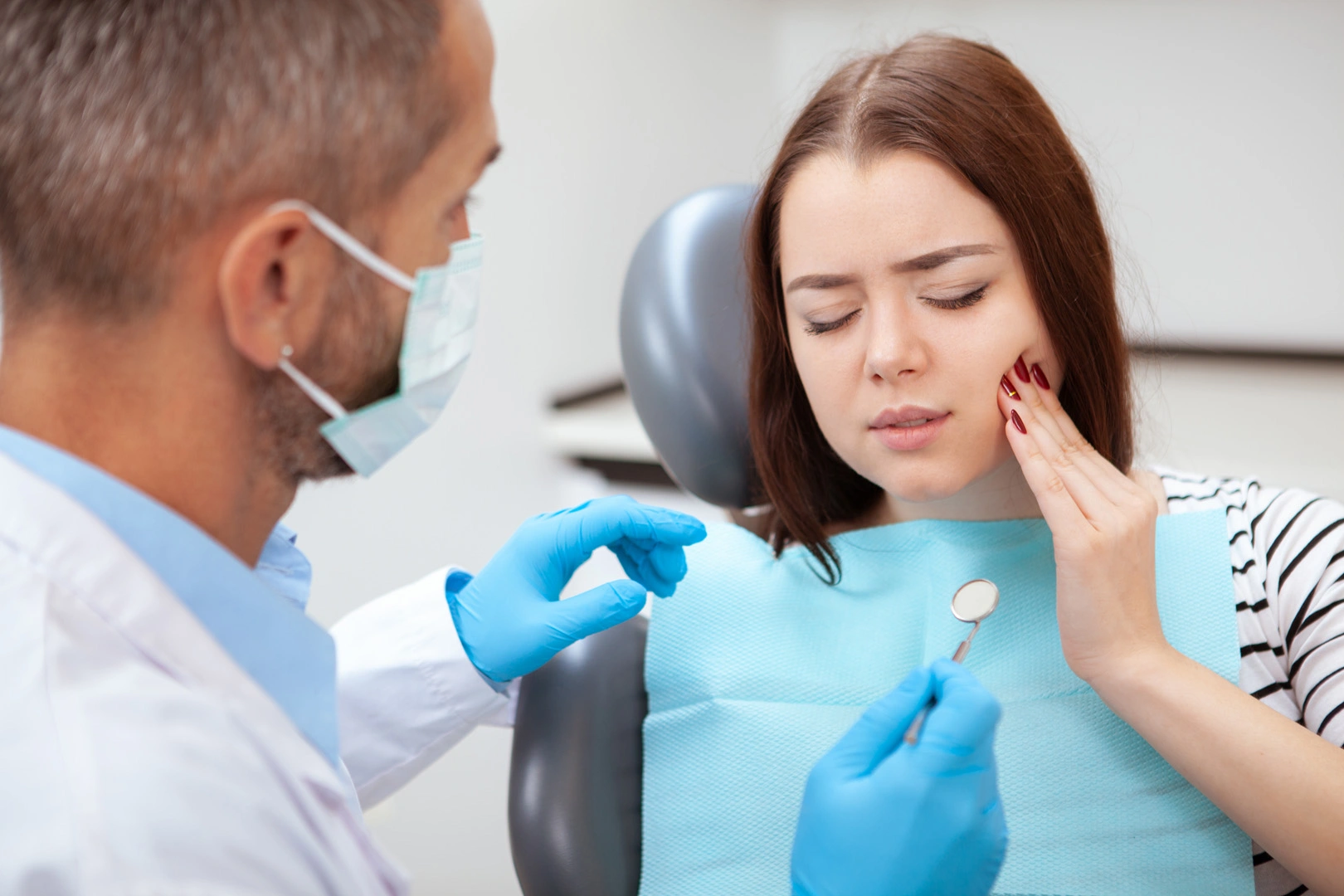
A broken or chipped tooth has a way of turning an ordinary day into a stressful one. It might happen while eating something hard, during a weekend hockey game, after a fall on icy pavement, or when an old filling finally gives way. In practice, people often describe the same first reaction: surprise, then a quick sweep of the tongue across a rough edge, followed by the sinking realization that this is not something to ignore.
The good news is that many broken and chipped teeth can be treated successfully, especially when you act quickly and make smart choices in the first few hours. The less reassuring truth is that not every crack looks serious at first. A small chip may be mostly cosmetic, while a tooth that seems only slightly damaged can hide a deeper fracture or nerve injury. That is why a prompt assessment matters, particularly when pain, swelling, bleeding, or sensitivity appears.
For anyone dealing with a Dental Emergency Aurora situation, the goal is not just to relieve discomfort for the evening. It is to protect the tooth, reduce the risk of infection, and improve the odds that the most conservative treatment will work.
What counts as a broken or chipped tooth
People use these terms loosely, but the distinction matters. A chip usually means a small piece of enamel has fractured off, often from the edge of a front tooth or the cusp of a back tooth. These can be painless if only the outer layer is involved. A break suggests more structure has been lost, or that the fracture extends deeper into dentin or the pulp, where the tooth’s nerve and blood supply sit.
Not every fracture is obvious. Some teeth split in a way that is easy to see in Dental Emergency Aurora the mirror. Others develop hairline cracks that only show up when you bite down, release pressure, or drink something cold. Molars are common trouble spots because they take the brunt of chewing force. Front teeth, by contrast, are more likely to chip from direct trauma.
A patient once came in after biting into a crusty baguette, convinced she had only “taken a tiny corner off” a lower molar. The visible chip was small. Underneath, the tooth had a weakened cusp around an older filling, and the fracture had tracked farther than expected. She did the right thing by coming in early. The sooner a damaged tooth is stabilized, the more treatment options remain on the table.
The first hour matters more than most people think
The first thing to understand is that home care is temporary. It can reduce pain and prevent more damage, but it cannot repair the tooth. If you are searching for help with a Dental Emergency Aurora problem, treat the waiting period as a bridge to professional care, not a substitute for it.
Start by rinsing gently with warm water. This clears away debris and helps you see what is going on. If there is bleeding from the gums or lips, apply clean gauze with light pressure. If swelling begins, a cold compress on the outside of the cheek usually helps. Keep it on for short intervals rather than pressing ice directly onto the tooth.
If you can find the broken fragment, save it. Sometimes it cannot be reused, but in certain cases, especially with recent trauma to a front tooth, the piece may help the dentist assess the fracture or even rebond a segment. Store it in a clean container. Milk or saline is often kinder to tissues than plain tap water if a larger piece includes some fresh inner surface, though for most hard tooth fragments the key point is simply not to throw them away.
Pain changes the urgency. A rough edge without pain is still worth prompt attention, but severe throbbing, sensitivity that lingers after cold exposure, pain on biting, facial swelling, or a tooth that feels loose all raise concern for deeper injury.
What to do before you reach the dentist
- Rinse your mouth gently with warm water and check for bleeding, swelling, or a loose fragment.
- Save any broken piece in a clean container and avoid chewing on that side.
- Cover sharp edges with dental wax, sugar-free gum, or temporary dental material from a pharmacy if available.
- Use a cold compress on the outside of the face for swelling, and take pain relief only as directed on the label if you normally tolerate it.
- Contact a dental office promptly and describe the symptoms clearly, especially pain, sensitivity, swelling, and when the break happened.
That short sequence solves more problems than people expect. It reduces the odds of cutting your cheek or tongue, keeps the area cleaner, and gives the dentist better information when scheduling you.
What not to do
A lot of trouble starts with well-meant improvisation. Superglue is an obvious example. It is not designed for the mouth, and it can irritate soft tissue or complicate treatment. Another common mistake is chewing “carefully” on the damaged side to test whether it still works. Teeth do not need much extra force to convert a manageable crack into a larger fracture.
Very hot coffee and ice-cold drinks can trigger sharp pain if dentin is exposed. Hard foods, sticky candies, nuts, crusty bread, and popcorn kernels are also best avoided. Even healthy foods can be a problem if they require a strong bite. I have seen more than one cracked molar turn into a more expensive restoration because someone felt fine enough to eat steak the same evening.
Why some chipped teeth barely hurt and others are miserable
Enamel has no nerve supply, which is why a tiny enamel chip can feel like more of an annoyance than an injury. The roughness catches the lip or tongue, but pain may be minimal. Once the fracture reaches dentin, the picture changes. Dentin contains microscopic tubules connected to the pulp, so cold air, sweet foods, and temperature changes can all sting.
If the fracture reaches the pulp, pain may become spontaneous, throbbing, or difficult to localize. Sometimes the opposite happens. A tooth with a dying nerve may briefly hurt and then become strangely quiet, only to swell later when infection develops. That false calm catches people off guard.
Trauma also affects the tissues around the tooth. A tooth that has been hit may have bruised ligaments even when the visible chip is small. Biting can feel “off,” and the tooth may seem high or tender. That symptom deserves respect. It can signal a crack, shifting position, or injury to the supporting structures.
When it is truly urgent
Some dental injuries can wait a day or two for evaluation. Others should be seen the same day if possible. The challenge is that patients often underestimate urgency if there is no dramatic bleeding. In a Dental Emergency Aurora setting, these signs usually justify faster attention:
- Severe or worsening pain that is not settling with basic measures
- Visible swelling of the gum, face, or jaw
- A loose tooth, displaced tooth, or bite that suddenly feels misaligned
- A fracture that exposes a pink or red center, or persistent bleeding from the tooth area
- Fever, bad taste, pus, or increasing pressure that suggests infection
Swelling deserves special mention. In dentistry, swelling is not just an inconvenience. It can mean inflammation, infection, or bleeding into tissues after trauma. Facial swelling near a damaged tooth should never be brushed off as something to “watch for a week.”
What the dentist is looking for during the exam
Patients often assume the visit is mostly about smoothing the sharp edge or placing a filling. Sometimes it is that simple, but a proper emergency assessment goes beyond the visible chip. The dentist checks whether the tooth is tender to pressure, mobile, cracked beneath the gumline, or injured at the root. X-rays may be needed, not because every chip is dramatic, but because deeper fractures and root problems do not always show on the surface.
The exam usually includes questions about how the injury happened, whether the pain comes and goes or lingers, whether the tooth reacts to hot or cold, and whether your bite feels different. That history matters. A clean chip from biting a fork is not the same as a sports injury, a nighttime grinding habit, or a molar weakened by a large old filling.
A front tooth broken in a fall may also require attention to the lips, gums, and jaw. It is not unusual for people to focus so much on the chipped incisor that they miss a cut containing tiny tooth fragments or an additional crack elsewhere.
Common treatment paths, and why the right choice depends on depth
There is no single repair for every broken or chipped tooth. The best treatment depends on where the tooth is located, how much structure is missing, whether the pulp is involved, and how the bite loads that tooth day after day.
For a small chip, bonding is often a practical solution. Composite resin can reshape an edge, close a visible defect, and blend well with natural enamel. It is conservative and usually efficient, which is one reason it is often chosen for front teeth.
For larger fractures, especially in back teeth, a filling may not be strong enough. If a cusp has broken off on a molar, an onlay or crown often provides better protection against future splitting. Patients sometimes hesitate when they hear the word crown, but there is sound reasoning behind it. A heavily compromised tooth needs a restoration that braces the remaining structure.
If the fracture reaches the pulp, root canal treatment may be necessary before the tooth is rebuilt. That surprises some people, particularly if they came in expecting “just a repair.” But once the nerve is inflamed or exposed, sealing the outside alone does not solve the internal injury.
And then there are cases where the crack extends too far below the gumline or down the root. Those are the difficult conversations. Not every tooth can be predictably saved. The responsible approach is not to promise heroics when the long-term outlook is poor. Sometimes extraction is the most honest and healthiest path, followed by a discussion of replacement options.
Front teeth and back teeth break differently
A chipped front tooth often feels urgent because it is visible every time you speak or smile. That concern is real and valid. Fortunately, front teeth often lend themselves well to esthetic repair when the fracture is limited. Shape, color, and translucency can usually be improved significantly with modern bonding techniques.
Back teeth are less forgiving in a different way. They bear more force. A molar with a cracked cusp may function for a while, then fail suddenly on a piece of toast. These cases are often less about cosmetics and more about structural engineering. The dentist has to think about load distribution, remaining wall thickness, and whether the tooth has enough sound material left to support a durable restoration.
I have found that patients are often more willing to postpone treatment on a back tooth because “you can’t see it anyway.” That is exactly the tooth that may punish delay. Small front chips can sometimes stay stable for a period. Cracked molars tend to become more expensive when ignored.
Temporary kits from the pharmacy, useful but limited
Over-the-counter temporary dental material has a place. It can cover a sharp edge or provide a short-term barrier over an open area until you are seen. It can also make sleeping easier if a rough fracture is scraping your tongue. What it cannot do is diagnose a crack, sterilize an infected tooth, or restore long-term strength.
Think of these products as first aid, not repair. If the Dental Emergency Aurora material falls out or the pain keeps building underneath it, that does not mean the product failed. It means the underlying problem is still there.
Children, sports injuries, and different priorities
Broken teeth in children need prompt assessment for a few extra reasons. First, it can be hard for a child to describe symptoms accurately. Second, a primary tooth and a permanent tooth are managed differently. Third, trauma may affect developing adult teeth even when the baby tooth injury seems modest.
Sports-related injuries also have their own logic. A chipped tooth from a hockey puck or elbow may come with lip lacerations, jaw soreness, or a partially displaced tooth. In those moments, families often focus on the visible enamel damage and miss signs that the tooth has been pushed, loosened, or internally injured. Mouthguards reduce risk, but they do not prevent every accident.
If a permanent tooth is knocked loose or appears out of position, that is a same-day matter. Timing strongly affects the chance of stabilizing the tooth and preserving its vitality.
How weather, schedules, and local realities shape a Dental Emergency Aurora response
Anyone who lives in Aurora knows accidents do not politely happen during office hours. Slips on winter walkways, weekend sports, late-night meals, and holiday gatherings all create familiar patterns for dental injuries. Cold weather can also make sensitivity feel more intense, especially when exposed dentin meets dry, cold air during the walk from the car to the clinic.
That is one reason communication matters when calling for a Dental Emergency Aurora appointment. Tell the office what happened, when it happened, whether the tooth is loose, whether swelling is present, and whether pain is triggered by temperature or chewing. Those details help the team judge urgency and advise you appropriately before you arrive.
Delay has a cost, even when pain is mild
One of the more frustrating parts of dentistry is that teeth do not always send dramatic warnings at the right time. A tooth can be cracked, contaminated, and vulnerable long before it becomes unbearable. By the time a patient says, “It only started really hurting yesterday,” the structural problem may have been unfolding for weeks.
Early care often means smaller treatment. A minor chip can be polished or bonded. A neglected fracture may progress until the tooth needs a crown. Wait longer, and the same tooth may require root canal treatment or become non-restorable. That progression is not universal, but it is common enough that conservative dentists emphasize prompt evaluation for a reason.
There is also the question of soft tissue injury. A jagged edge rubbing against the tongue for days can create a painful ulcer. Patients sometimes think the mouth sore is a separate problem, when it is simply collateral damage from the broken tooth.
Recovery after treatment is usually straightforward
Once repaired, many chipped teeth settle quickly. Some sensitivity for a few days is not unusual, particularly after trauma or deeper restorations. Chewing on the opposite side for a short period can be wise if the dentist advises it. Good oral hygiene remains important, though brushing should be gentle around sore gums.
If a crown, bonding repair, or temporary restoration feels high when you bite, call back sooner rather than trying to “get used to it.” A bite that is even slightly off can keep a tooth tender and place extra stress on the restoration. Patients are sometimes reluctant to ask for a quick adjustment, but those small refinements often make a large difference in comfort.
How to lower the odds of another fracture
Not every broken tooth can be prevented, but patterns do emerge. Teeth already weakened by large fillings, untreated decay, or nighttime grinding are more likely to fracture. So are teeth used as tools for opening packages, tearing tape, or cracking nutshells. It sounds obvious when stated plainly, yet many adults still do it out of habit.
A custom night guard can help patients who clench or grind. Replacing old failing restorations before they undermine the remaining tooth can also prevent emergencies. For athletes, a properly fitted mouthguard is one of the simplest protective steps available. And for people with a history of repeated chips on front teeth, the bite itself may need evaluation. Sometimes the tooth is not uniquely unlucky, it is taking a bad pattern of force over and over again.
The practical takeaway
A broken or chipped tooth is not always catastrophic, but it is rarely something to shrug off. The right response is calm, quick, and deliberate. Rinse, protect the area, save any fragment, avoid testing the tooth, and arrange a dental evaluation as soon as possible. If pain is escalating, swelling is present, or the tooth feels loose or visibly broken deep into the center, treat it with greater urgency.
Most importantly, do not judge the seriousness of the injury by appearance alone. Some small-looking fractures turn into major problems when ignored, while some alarming chips are very manageable with timely care. In a Dental Emergency Aurora situation, prompt attention gives the tooth its best chance and usually gives you more treatment options, not fewer.
Aspenwood Dental Associates and Colorado Dental Implant Center
2900 S Peoria St Ste C, Aurora, CO 80014, United States
+1 303-731-4037
FAQ About Dental Emergency Aurora
What qualifies as a dental emergency?
A dental emergency is any oral injury or condition that involves severe pain, uncontrolled bleeding, or a potential infection that puts a tooth or your overall health at risk.
Can the ER do anything for a tooth?
AI Overview An emergency room (ER) cannot fix or pull a tooth, perform root canals, or provide long-term dental care, because most ERs do not have dentists on staff.
What is the 3-3-3 rule for tooth infection?
The 3-3-3 rule for a tooth infection or severe toothache is a short-term over-the-counter pain management strategy. It involves taking 600 mg of ibuprofen (typically three 200 mg tablets) 3 times a day for no more than 3 days.