Dental Emergency Aurora Support for Cracked Crowns and Bridges

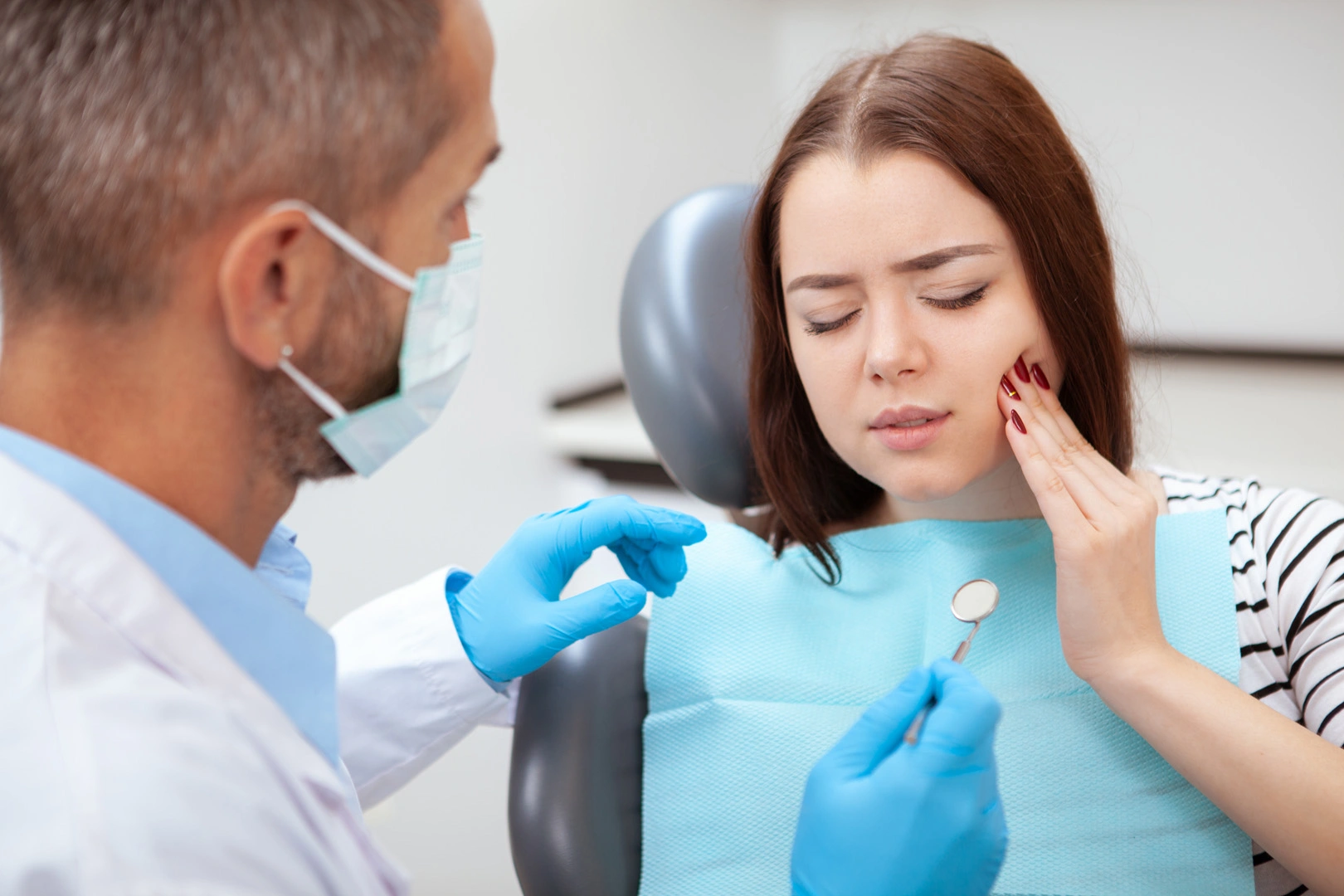
A cracked crown or damaged bridge rarely happens at a convenient time. It tends to show up during dinner, over a weekend, before a trip, or in the middle of a workday when you already have too much on your plate. One bite on something hard, one unnoticed habit of clenching, or one old restoration that has finally reached its limit, and suddenly a tooth that felt stable in the morning feels sharp, loose, or painful by afternoon.
This is where prompt, sensible care matters. In a true dental emergency, time affects comfort, function, and in some cases whether the restoration can be repaired or must be replaced. People often assume a crown or bridge is permanent in the everyday sense of the word. In practice, these restorations are durable, not indestructible. They hold up well under normal use, but they are still vulnerable to trauma, hidden decay, bite imbalance, aging cement, and the wear that comes from years of chewing.
For patients looking for Dental Emergency Aurora support, cracked crowns and bridges sit in that important middle ground between “wait and see” and “go right now.” Some cases can tolerate a short delay of a day or two. Others need same-day attention because pain is escalating, a tooth underneath is exposed, or the restoration is mobile enough to create a choking risk or further damage the supporting tooth.
The most helpful first step is understanding what has actually failed. A crown can crack through the porcelain, chip at the edge, loosen from the tooth, or split in a way that involves the underlying structure. A bridge adds another layer of complexity because it relies on support teeth, called abutments, at one or both ends. If one side comes loose, the whole unit may shift. That can strain the other support tooth, irritate the gums, and make eating difficult very quickly.
Why cracked crowns and bridges deserve prompt attention
Not every damaged restoration causes immediate agony, but nearly all of them create risk. The edge of a cracked crown can cut the tongue or cheek. A loose crown can trap bacteria and food underneath. A broken bridge can concentrate force on one tooth in a way that leads to root fracture, gum inflammation, or failure of the remaining support.
There is also the matter of the tooth underneath. Crowns are placed for reasons, often because the original tooth was weakened by a large filling, decay, a root canal, or fracture lines. When the crown is compromised, the tooth loses part of its protection. I have seen situations where a patient waited because the discomfort seemed manageable, only to find that a repairable problem had become a replacement case by the time they came in. That does not happen every time, but it happens often enough that delay deserves respect.
Bridges can be even less forgiving. A bridge is not just one cap. It is a linked structure that depends on fit, balance, and healthy anchor teeth. If one retainer loosens or one segment cracks, the forces stop distributing properly. Patients sometimes describe it as feeling “a little off” at first. Within a day or two, the bite shifts, the gums get sore, and chewing on that side becomes almost impossible.
What damage can look and feel like
A dramatic break is easy to recognize. Part of the crown comes off in your hand, or the bridge visibly rocks when you touch it. More often, the signs are subtler.
You might notice a rough edge while flossing. Cold drinks may suddenly sting on a tooth that used to feel fine. Biting pressure may produce a quick, bright jolt, then settle down when you stop chewing. Some people hear or feel a small “pop” while eating, then cannot quite bring their teeth together normally afterward. Others have no pain at all, but they sense that something is loose.
Porcelain-fused-to-metal crowns may chip and reveal darker material underneath. All-ceramic crowns can develop hairline fractures that are hard to see without magnification. Temporary crowns may simply come off. Bridges often collect symptoms around the gums first, soreness, a bad taste, trapped debris, or tenderness near one support tooth, before the fracture or debonding becomes obvious.
Pain level alone is not a reliable guide. A badly loosened crown on a root canal tooth may not hurt much because the nerve has already been removed. Meanwhile, a small crack on Dental Emergency Aurora a live tooth can feel intense because temperature and pressure trigger the exposed dentin.
Common reasons crowns and bridges fail
Restorations usually fail for understandable mechanical or biological reasons. It is rarely “random,” even if it feels sudden.
Age is one factor. Dental cement can weaken over time, especially if margins have been stressed by years of chewing or if oral conditions have changed. Bite forces are another. Clenching at night, grinding, chewing ice, biting pens, or using teeth to open packaging all take a toll. A crown that has survived for ten years may finally give way after one hard kernel or one awkward bite on a crusty piece of bread.
Decay under the margins is a major issue. A crown can look intact from the outside while decay undermines the tooth beneath it. In that case, the crown itself may not be the true problem. The underlying tooth no longer supports it properly. The same can happen with bridge abutment teeth. If one support tooth develops recurrent decay or a crack, the bridge may loosen or Dental Emergency Aurora Dental Emergency Aurora fracture as a secondary effect.
Fit and bite matter too. Even a well-made restoration can become overloaded if the opposing teeth move, if a patient loses another tooth, or if orthodontic or gum changes alter how the bite comes together. The mouth is dynamic. When one part changes, forces shift elsewhere.
When this is a true emergency
Patients often ask whether a cracked crown or bridge counts as an emergency. Sometimes yes, sometimes no. The better question is whether the situation threatens pain control, the tooth, or your ability to function safely.
Seek urgent assessment if you notice any of the following:
- Significant pain that is worsening, especially with swelling or heat sensitivity.
- A crown or bridge that is loose enough to move, fall off, or interfere with swallowing.
- Sharp broken edges that are cutting your tongue, cheek, or lips.
- Visible fracture of the underlying tooth, bleeding around the tooth, or inability to bite together normally.
- Signs of infection, such as swelling, pus, bad taste, or fever.
If none of those are present, it may still be important, just not critical by the hour. A small chip without pain might wait for the next available appointment. A loosened bridge with mild discomfort should usually be seen sooner rather than later, ideally within a day or two, because function tends to deteriorate quickly.
For many families searching for Dental Emergency Aurora care, the practical challenge is figuring out what can safely wait until morning and what cannot. When in doubt, call. A brief conversation with a dental office can often sort out the urgency based on symptoms, location of the tooth, and whether the restoration is still in place.
What to do at home before you are seen
Home care does not fix the problem, but it can prevent it from getting worse over the next several hours.
If the crown or bridge has come off completely, keep it. Rinse it gently with water and place it in a clean container. Do not scrub the inside aggressively, and do not wrap it in tissue where it can be thrown away by mistake. If the tooth is sensitive, avoid very hot or cold foods and chew on the opposite side.
If the restoration is cracked but still attached, resist the urge to test it with your tongue or fingers. People do this constantly, and it often makes the crack propagate. Soft food is your friend for the moment. Think eggs, yogurt, pasta, soup that is warm rather than hot, or rice. Anything sticky, crunchy, or very chewy can turn a manageable problem into a larger one.
Dental wax from a pharmacy can help cover a sharp edge temporarily. Over-the-counter pain medication may help if you can safely take it according to package directions and any guidance from your physician. If a temporary crown has come off and you have no swelling or severe pain, temporary dental cement from a pharmacy can sometimes hold it in place briefly, but only if the crown seats passively and fully. If there is any resistance, stop. Forcing a crown on backward or onto debris can damage the tooth or distort the fit.
One caution matters here. Household glue has no place in your mouth. Super glue, craft adhesive, and similar products create more problems than they solve. Dentists spend an unfortunate amount of time undoing desperate fixes.
What a dentist checks during an emergency visit
An emergency evaluation for a cracked crown or bridge is not just a quick look. The dentist is trying to answer a few key questions that determine whether the restoration can be repaired, recemented, or must be remade.
First is stability. Is the crown only chipped, or is the whole unit loose? If it is off, does it still fit the tooth? A crown that fits well and came off because the cement failed is very different from a crown that came off because the tooth underneath fractured or decayed.
Second is the condition of the supporting tooth or teeth. This may involve x-rays, bite testing, checking the margins, and evaluating the gums. With bridges, both abutment teeth deserve scrutiny, not just the side that feels loose. It is common to find that the “good” side has been overworking and is now irritated too.
Third is the bite. A restoration may crack because of one high contact point or a broader grinding pattern. If the reason for failure is not addressed, even a beautifully made replacement may not last.
Finally, the dentist assesses restorability. Can the tooth be saved predictably? Is there enough healthy tooth above the gumline to support another crown? Is a root canal needed? Has a vertical root fracture made the tooth non-restorable? These are the judgment calls that separate a patch from a durable plan.
Repair, recement, or replace
Patients understandably hope the fix will be simple. Sometimes it is.
A crown that has come off intact, with no decay and a sound tooth underneath, can often be recemented. That is the best-case scenario. It tends to be faster, less expensive than a new crown, and less invasive. Even then, the dentist will inspect the fit carefully. If the crown has distorted, worn internally, or no longer seats properly, recementing it may not be wise.
A minor porcelain chip may be smoothed or repaired, especially if it is cosmetic and not affecting the bite. Chairside repairs have their place, but they do not recreate the original strength of a lab-fabricated surface. For back teeth under heavy force, the long-term outlook of a bonded patch can be mixed.
Replacement becomes necessary when the restoration is fractured beyond repair, the margins are compromised, the tooth beneath has decay, or the underlying tooth has changed shape due to breakage. Bridges often lean toward replacement if one retainer fails, because the fit and alignment of the whole unit can be affected. In some cases, though, the bridge is sectioned or managed in stages depending on which segment is involved and what the long-term plan is.
There are edge cases too. A front crown with a visible crack but no pain may be managed differently than a molar crown with the same crack, simply because the bite forces are so different. A patient with heavy bruxism may need a night guard as part of the treatment plan, otherwise the replacement runs the same risk as the original.
The hidden problem of underlying tooth fractures
One of the hardest conversations in emergency dentistry happens when the crown is not the real issue. The crown broke because the tooth beneath it broke first.
This is especially common in teeth that have had root canals, large buildups, or years of structural loss before being crowned. These teeth can function well for a long time, but they are not equivalent to untouched enamel. If the remaining root or core fractures, the restoration may loosen, split, or come off even though it was made properly.
Symptoms can be inconsistent. A patient may say, “It only hurts when I release after biting,” which often raises suspicion for a crack. Others notice an odd odor, gum soreness in one localized spot, or a small pimple on the gums near the tooth. Those signs matter because if the fracture extends too far below the gumline or into the root, replacing the crown will not solve the problem.
This is one reason same-day promises should be handled carefully. Fast access is valuable, but speed should not replace diagnosis. The right emergency dentist will focus first on preserving options, not simply getting something glued back in for the sake of appearances.
How bridges fail differently from single crowns
A single crown protects one tooth. A bridge replaces one or more missing teeth by attaching to neighboring support teeth. That design makes bridges effective, but it also means failures can be more complex.
A bridge may crack in the porcelain at the connector, which is the span between units. It may debond from one abutment while staying attached to the other. It may trap food beneath a loosened margin and create inflammation that looks, at first glance, like a gum problem instead of a restoration problem. Some patients present with speech changes or a feeling of pressure rather than sharp pain.
The emergency approach depends on whether the bridge is partially attached, fully detached, or fractured. A partially attached bridge is often more hazardous than one that has come off completely because it can torque the remaining support tooth every time you chew. Dentists are generally cautious here. The temptation is to “leave it alone if it’s mostly on,” but if it is mobile, that movement can worsen the damage quickly.
Bridges also raise long-term planning questions. If a bridge fails because an abutment tooth is no longer healthy enough, the replacement may not simply be another bridge. Depending on bone, gum condition, and patient priorities, the discussion may shift toward an implant-supported option, a new fixed bridge, or another restorative path.
Cost, timing, and practical expectations
Emergency care tends to happen under stress, and stress amplifies uncertainty about cost and timeline. While exact fees vary widely by office and treatment needed, the broad pattern is predictable. A straightforward exam and x-rays are one category. Recementing an intact crown is usually less involved than making a new one. A new crown or bridge replacement becomes a larger restorative case, sometimes with temporary coverage first and definitive treatment later.
Same-day definitive treatment is sometimes possible for crowns if the office has the right technology and the clinical situation is simple. Often, though, the emergency visit is about stabilization. That might mean smoothing a rough edge, recementing if appropriate, placing a temporary restoration, adjusting the bite, treating pain, or planning the next step after imaging and diagnosis.
The best outcomes usually come from patients who understand that “emergency treatment” and “final treatment” are not always the same appointment. In many cracked crown and bridge cases, the first goal is to stop the problem from snowballing.
Preventing a repeat emergency
After the immediate issue is handled, prevention deserves just as much attention as the repair itself. If a restoration failed because of age alone, the lesson may simply be that nothing lasts forever. More often, there is a modifiable factor.
Here are the most common prevention steps I see make a real difference:
- Wear a night guard if you clench or grind.
- Avoid chewing ice, popcorn kernels, pens, and hard candies.
- Keep regular exams so decay at the margins is caught early.
- Floss carefully around bridges and use any cleaning aids your dentist recommends.
- Ask for a bite check if a restoration has felt “high” or uneven since placement.
That last point is underrated. A tiny high spot can overload a crown every day for months. Patients often adapt without realizing it, until the porcelain chips or the cement gives way.
Choosing the right kind of urgent help in Aurora
When people search for Dental Emergency Aurora services, they often focus on office hours first, and that makes sense. Availability matters. But the most useful emergency support combines access with experience in diagnosis and restorative decision-making. Cracked crowns and damaged bridges are not only scheduling problems. They are judgment problems.
A good emergency dental team asks pointed questions on the phone, pain level, swelling, mobility, whether the restoration is still in place, whether the tooth had a root canal, whether the bite feels changed. Those details help triage appropriately. Once in the chair, the goal should be clear communication. You should leave knowing what failed, what was done today, what risks remain, and what the next step is.
That is particularly important if the immediate fix is temporary. Patients cope much better when they understand the logic. “We recemented this to protect the tooth, but the margin is compromised and it may need replacement soon” is a very different message from vague reassurance.
Cracked crowns and broken bridges can feel surprisingly disruptive, even when the visible damage seems small. They affect speech, confidence, eating, sleep, and concentration. The good news is that most of these emergencies are manageable when addressed promptly. Quick evaluation protects the tooth, reduces discomfort, and preserves more treatment options. If you are dealing with a loose, cracked, or broken restoration, timely Dental Emergency Aurora care can make the difference between a contained repair and a much larger problem a week later.
Aspenwood Dental Associates and Colorado Dental Implant Center
2900 S Peoria St Ste C, Aurora, CO 80014, United States
+1 303-731-4037
FAQ About Dental Emergency Aurora
What qualifies as a dental emergency?
A dental emergency is any oral injury or condition that involves severe pain, uncontrolled bleeding, or a potential infection that puts a tooth or your overall health at risk.
Can the ER do anything for a tooth?
AI Overview An emergency room (ER) cannot fix or pull a tooth, perform root canals, or provide long-term dental care, because most ERs do not have dentists on staff.
What is the 3-3-3 rule for tooth infection?
The 3-3-3 rule for a tooth infection or severe toothache is a short-term over-the-counter pain management strategy. It involves taking 600 mg of ibuprofen (typically three 200 mg tablets) 3 times a day for no more than 3 days.